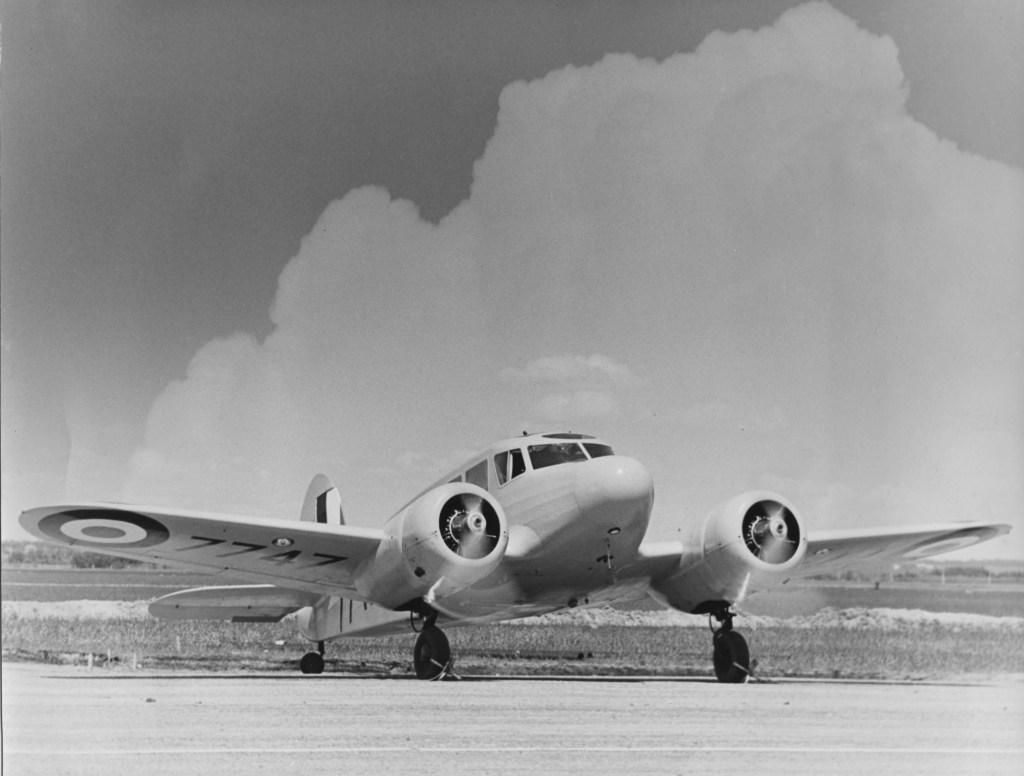
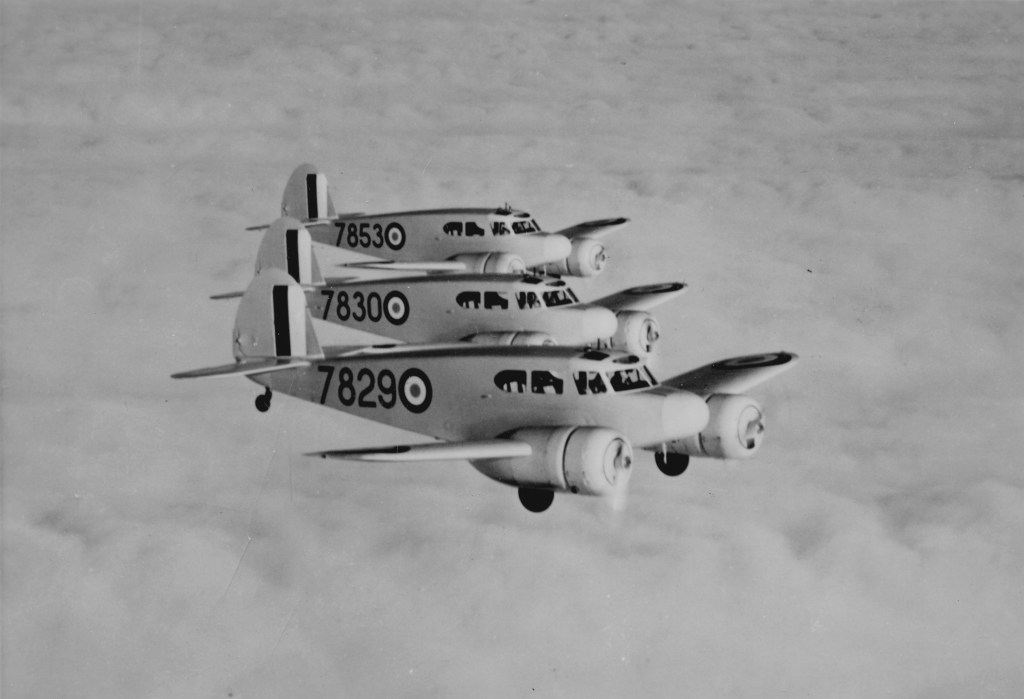
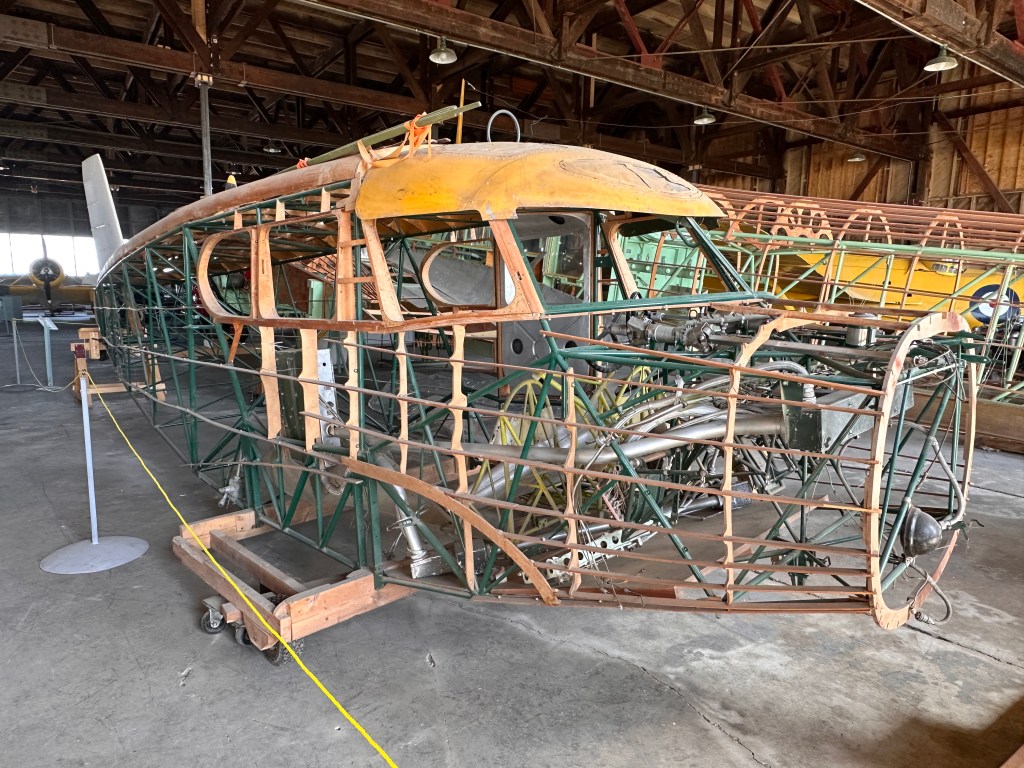
In 1939, the Cessna T50 first flew as a light transport and was soon converted for military use. In the USA it was known as the Bobcat, but the RCAF named it the Crane. Early in the war, there was a shortage of training aircraft, so the RCAF ordered Cessna Cranes. They were inexpensive, reliable, and relatively easy to fly so they filled the need for a twin-engine trainer nicely. Many pilots training on Cranes were destined to become bomber pilots. The Cranes had retractable landing gear, wood wings, and a fuselage of steel tubing, most of the airplane had a fabric cove
There were eventually 5,400 Bobcat/Cranes produced by Cessna and 826 found a home in the RCAF. The Crane would earn many nicknames, including the “Bamboo Bomber”. They served in the RCAF until 1949, many being sold off after the war to individuals, companies, and even farmers who used them as chicken coops or for other purposes.
The Cessna Crane was predominantly used by the BCATP in Western Canada, including at #12 SFTS, Brandon, Manitoba, home of the CATP Museum.
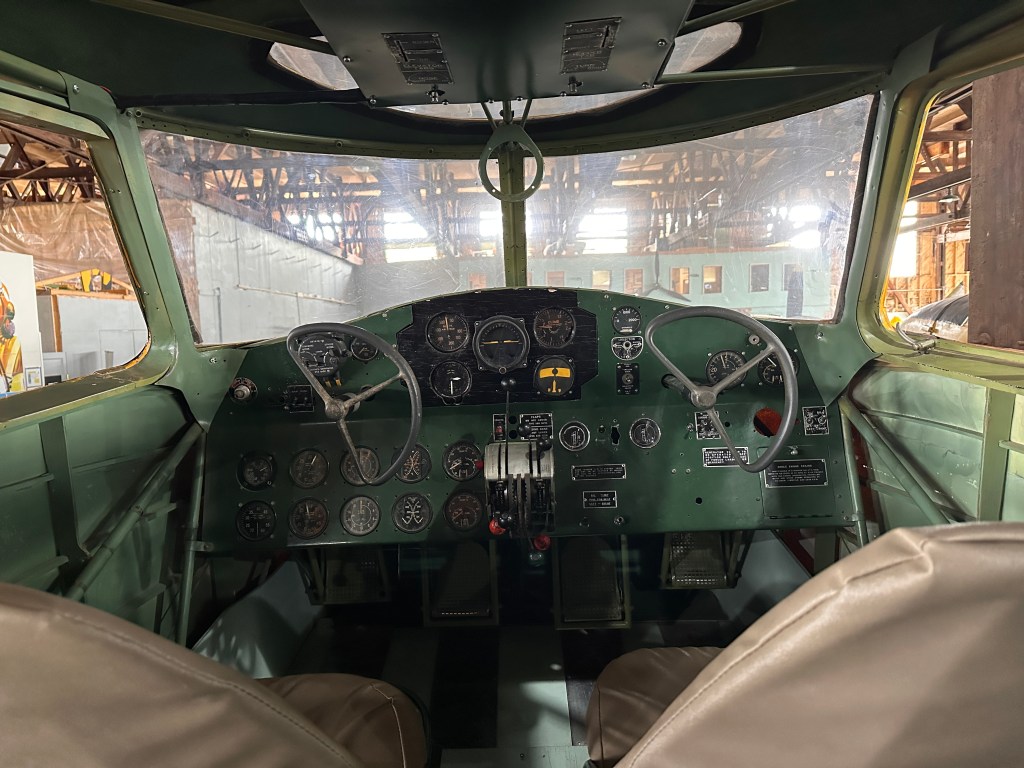
In the museum we have a Crane with missing wings that can be entered so visitors can try the controls, we call it “stubby” since it has the wings cut off just outside the engines. We also have a Crane fuselage and various parts (rebuilt wings, for example) ready for a future restoration.
Some Quick Facts
- Manufacturer: Cessna Aircraft Ltd., USA
- Engines: 2 245 hp Jacobs R-755-9 radial engines
- Maximum Weight: 5,700 lb (3,585 kg)
- Maximum Speed: 195 mph (314 kph)
- Cruising Speed: 175 mph (282 kph)
- Wingspan: 41 ft 11 in (12.8 m)
- Length: 32 ft 9 in (10 m)
- Service Ceiling: 22,000 ft (6,705 m)
- Range: 750 mi (1,207 km)
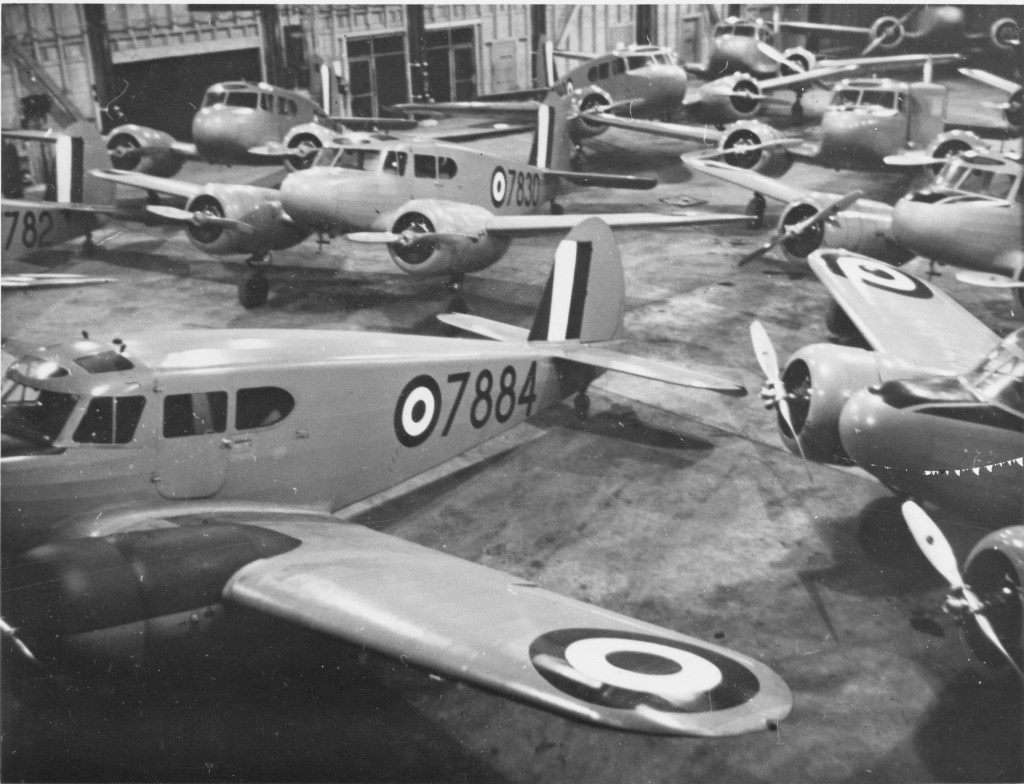
A hangar at #12 packed with Cessna Cranes
Below is a short video of a Crane starting up, taxiing, and taking off.

